Hi fellow Bee Lovers,
Challenges and Management of Texas Honeybee Colonies During Summer
We wanted to share a brief update on our sponsors hives and Lake Granbury Honey. We are moving towards our cooler weather here in Texas, no longer 3 digits. Daytime highs reach the low 90s; late nights stay near 68 degrees. There has not been any rainfall recently.
Summer Stressors for Bees
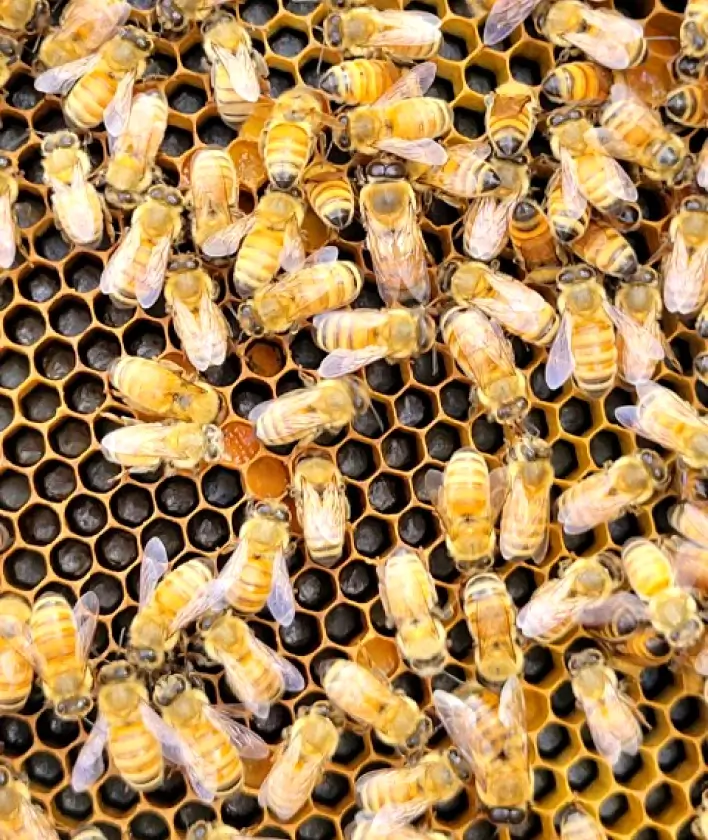
During the summer months in Texas, honeybee colonies face significant challenges brought on by high temperatures and a lack of rainfall. This combination leads to a reduction in soil moisture and limits the availability of nectar, creating what is known as a nectar dearth. As a result, bees must cope with fewer natural food sources, which can impact their survival and colony strength.
Supplemental Feeding Practices
To support the bees during these difficult conditions, we provide supplemental feeding in the form of sugar syrup. The syrup is prepared using a ratio of one part sugar to one part water and is placed inside the hives using syrup feeders. This supplemental nutrition helps the bees maintain their numbers and ensures the colony remains viable when natural nectar is scarce. We harvest the natural nectar -capped honey before feeding the bees sugar syrup.
Behavioral Changes and Colony Protection
Honeybees may exhibit increased aggression during periods of nectar scarcity. This heightened defensiveness is a clear sign that resources are limited, and bees are protecting their food stores. One notable behavior that can arise is “robbing,” where bees from neighboring colonies attempt to infiltrate a hive to steal its nectar or sugar syrup. Such incidents can lead to intense fighting at the hive entrance, sometimes resulting in bees fighting to the death to defend their stores.
Certain bee breeds, such as Italians and Carrollian, are more prone to engage in robbing compared to breeds like Russian or the Texas 5000. We utilize a few bee breeds in our Texas hives but as of late we are leaning more towards the Texas 5000 due to hardiness and lack of robbing trait. Robbing increases tension between colonies and pose an additional challenge during the resource-scarce late summer.
Preventive Management Strategies
To minimize the risk of robbing, we closely monitor our hives and may install entrance reducers when needed. These devices restrict access to the hive, making it more difficult for intruding bees to enter and steal food. Such measures are particularly important as temperatures begin to cool and food sources remain limited, ensuring the colonies remain healthy and stable through late summer and into early fall.
Preparing for the Cooler Months
As the season progresses, our management focus shifts toward helping the bees build up their stores in anticipation of the approaching cooler weather. We conduct regular inspections to assess colony strength, looking for healthy brood patterns and sufficient worker populations. Continued supplemental feeding and vigilant hive management support the bees as they transition from late summer to fall.
These proactive efforts are essential for maintaining the health and vitality of each hive, supporting a sustained honey harvest, and ensuring thriving colonies as we move further into autumn.
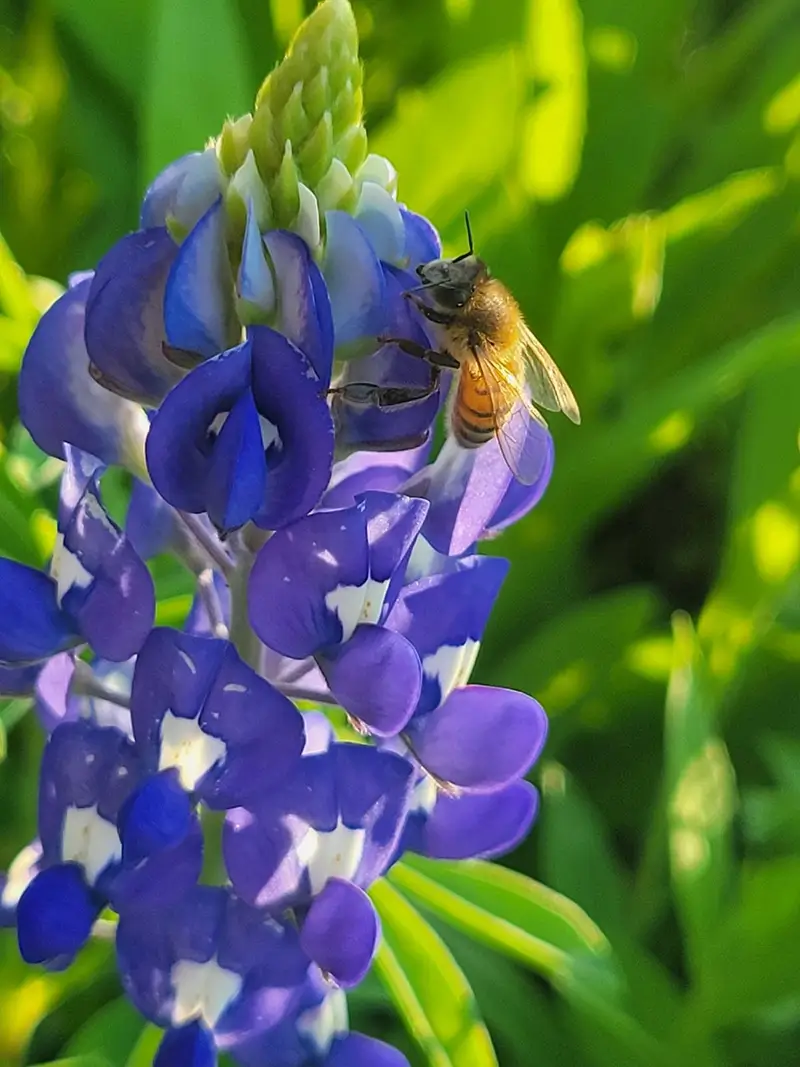
This month we enclosed two bottles of honey in our sponsors boxes. They received one that contained – Wildflower Honey with Oak and Nut undertones. This honey was harvested from hives that are on shaded property – lots of elms, oaks located in Roanoke Texas, a city in the Dallas Fort Worth Metro Plex. A rather small city which only covers about 5.3 square miles and crosses over into Denton County. The climate is a humid subtropical climate. Mandi has been taking care of these hives for the past 2 years. We thought it would be fun for our sponsors to try this honey and compare it to the honey in the other container which is a more traditional Wildflower Honey created from flowers on the plains right around Lake Granbury. Honey is an amazing food source that takes on many flavors based on where bees collect the nectar.
If you are interested in partnering with Lake Granbury Honey and sponsoring a hive click here!
Lake Granbury Honey
Jan and Mandi