August Newsletter
Hello Fellow Beeks!
As most of you know, we are heading into mite count and treatment season- their natural peak in numbers are in late summer/early fall. While not our favorite part of the job, it is one of the most crucial heading into fall and preparing your hives for overwintering.
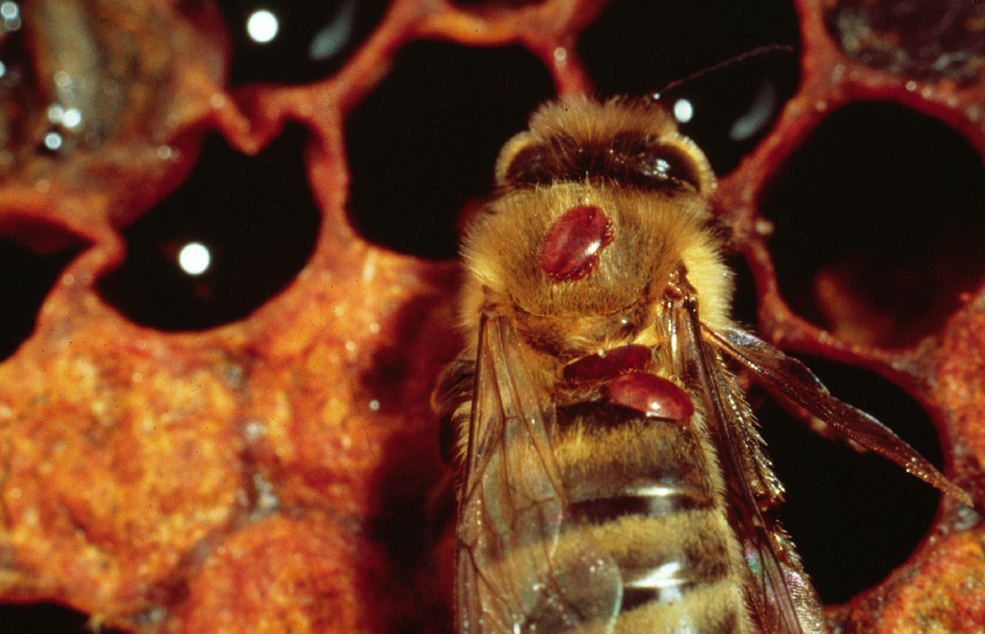
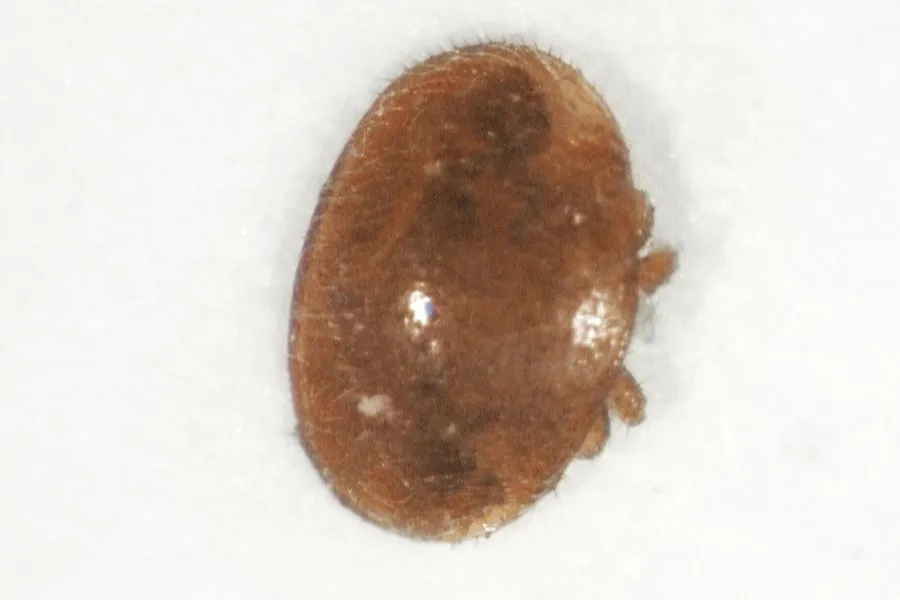
Varroa Destructor in itself has now been confirmed as a vector of disease, as well as a predictor of disease. This is due to their life cycle-the mites feed on the fat body of honeybee brood, particularly the males, because of this, gestating honeybees are susceptible to wing deformation, lower body weight, and poorly formed eyes. If an infestation is high enough, it can lead to colony collapse. This letter will cover integrated methodology, mite testing, and chemical treatments. I have done my best to make this material navigable, as it is a lot to take in.
There are several ways to manage mites throughout the year in your general practice:
- Screened bottom boards/bases– most of y’all already use this method with your traditional hives. The screens allow the honeybees to pull the mites off and drop them through the bottom. This helps break up the lifecycle of the mites. The screened bottoms can also have sticky boards placed on the bottom can help you get a generalized density count as well, if checking regularly. Please keep in mind this will not be entirely accurate, but can be used as a baseline metric of your mite load.
- Drone brood removal- V. Destructor prefers male brood over female proud by nearly 3x. Culling drone brood and inspecting the cells for mites can give you a fairly accurate picture of your mite load. This method can be difficult this time of year, as brood production in the fall both flows and is predominantly female honeybees. In the spring, culling drone brood can be highly effective.
- Powder Sugar Dusting- Dusting your hives with powder sugar does not affect the honeybees or mites directly, however, it does promote hygienic behavior & mite removal between worker bees.
Mite testing is typically done once in the spring, coming out of winter, and once in the fall, going into winter. (These checks can be done as often as monthly.)
- Alcohol/Powder Sugar Rolling- Scoop about 1C or 1/3 a pound of nurse bees (you’re looking for at least 100 honeybees) into a sealed vessel filled with either alcohol or powder sugar. Swirl the honeybees and allow to settle; the mites will drop from the honeybees. Count the mites – a 2% or higher rate requires treatment, ie: 2 mites per alcohol/sugar wash test.
Now to the hard part- choosing the right control method for your beekeeping philosophy, price point, and mite load. Historically, the majority of the industry, Lake Granbury Honey included, have used Apivar strips. The leading ingredient is Amitraz. Recent data from the United States overall hive loss in 2024 is showing sweeping mite resistance to Amitraz. As with any chemical application, rotation is key for efficacy. Please note that hives can react differently to treatments. There is always an innate risk of hives absconding or death if overused. Please read all packaging for directions, applications, and handling.
Soft chemical (naturally derived) options:
- Formic Acid– penetrates wax cappings and kills reproducing mites. It is effective below 85F. Formic acid is naturally produced in micro concentrations in both ants and honeybees. Unlike Amitraz, it is safe to keep on during the honey flow. It also has a longer shelf life than Amitraz. It is of comparable pricing and treatment applications to the Apivar strips. The treatment is a vapor released acid and is placed on top of the brood box.https://www.mannlakeltd.com/feeding-medications/formic-pro—varroa-treatment/
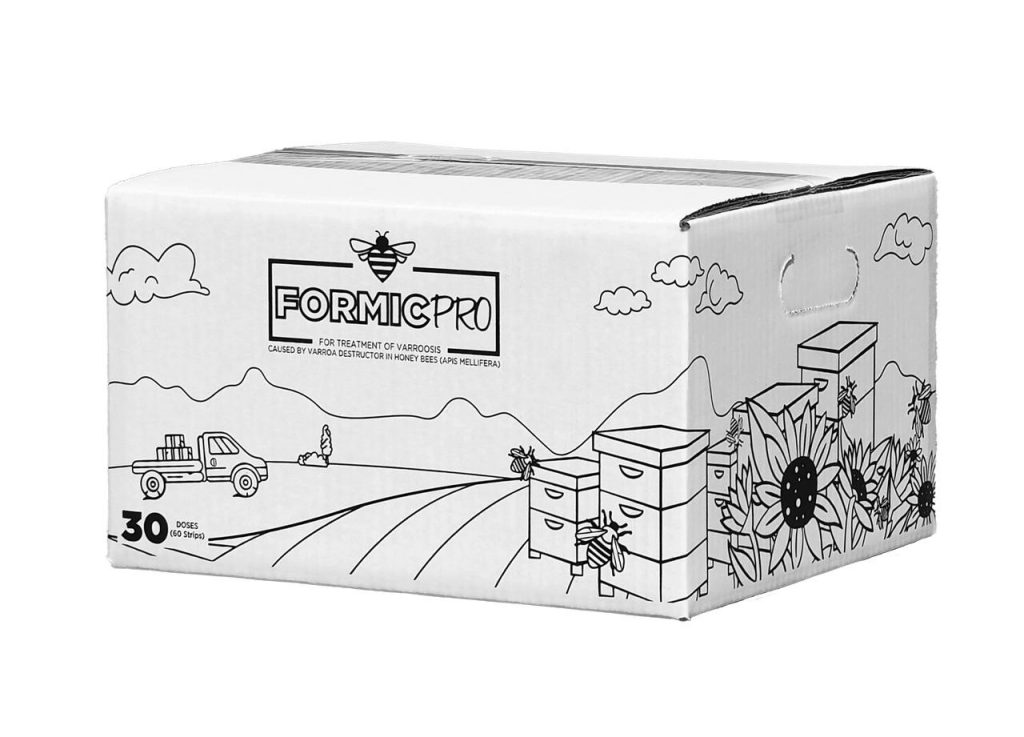
Formic Pro™ – Varroa Mite Treatment for Bees | Mann LakeFormic Pro™ represents the next generation in formic acid treatments for mites. Composed of all-natural materials, it can be safely used during the honey flow. Unlike Mite Away Quick Strips, Formic Pro™ boasts a longer shelf life and does not require specific temperature conditions for storage. However, it is important to use the strips only when daytime temperatures are between 50° F …www.mannlakeltd.com
- Oxalic Acid – Naturally derived from spinach, rhubarb, potatoes, and many more leaves/seeds/nuts. This acid is thought to enter through the feet of the mite and is not definitively understood WHY it works, just that it does. In beekeeping, oxalic acid is typically found as a vapor and requires additional tools. Alternatively, it can be purchased as a liquid and be added to the sugar syrup. There is also a general suggestion of utilizing a respirator during application. Oxalic acid is most effective when brood level are low and can be used through the honey flow. Oxalic acid does not penetrate capped brood and has been noted to lead to queen death with overuse. https://www.mannlakeltd.com/search-results/?search_query=oxalic+acid
- Thymol- Naturally occurring in thyme and oregano. In beekeeping, it is typically applied as a vapor which is toxic to adult mites, but can found as a secondary ingredient in strips or gel applications.. It does not penetrate capped brood cells. Thymol treatments are known to be more stressful on honeybees than other treatments and the efficacy varies based on overall colony strength. Suggested use of thymol is below 85 degrees and not for during active brood production (ie: spring.) Thymol is typically used in combination with other treatments as it does not stop immature mites or penetrate capped cells. https://www.dadant.com/catalog/m01480-apiguard-c-10-foil-pack?gad_source=4&gad_campaignid=21902502702&gbraid=0AAAAAD_fvMyFgx4FFrcKrGotKZhla-lVO&gclid=Cj0KCQjwzOvEBhDVARIsADHfJJTE5ez3XLfAIEF4Qp_LA2AS56QoXeVkjyN5vfNMuphcgFwrAMXGSi0aAq75EALw_wcB
Hard Chemicals (man made treatments)
- Apivar– Amitraz strips, widely used and economical. Vaporized strips- they are temperature and light sensitive. Emerging scientific data points to mite resistance across the country. It does not contaminate honey or wax. Efficacy rates are further diminished if mite load is above 3%. https://www.mannlakeltd.com/feeding-medications/apivar-strips-12-pack/?sku=DC799&gad_source=1&gad_campaignid=16763718909&gbraid=0AAAAAD_azT5M0R9ypxKyzKFpDW7IKf9lI&gclid=Cj0KCQjwzOvEBhDVARIsADHfJJThEKbvVEVHGyor627eRZVap9eQ0_pMpZsh5cvEAOqJYx6nlbbzbnoaAl7mEALw_wcB
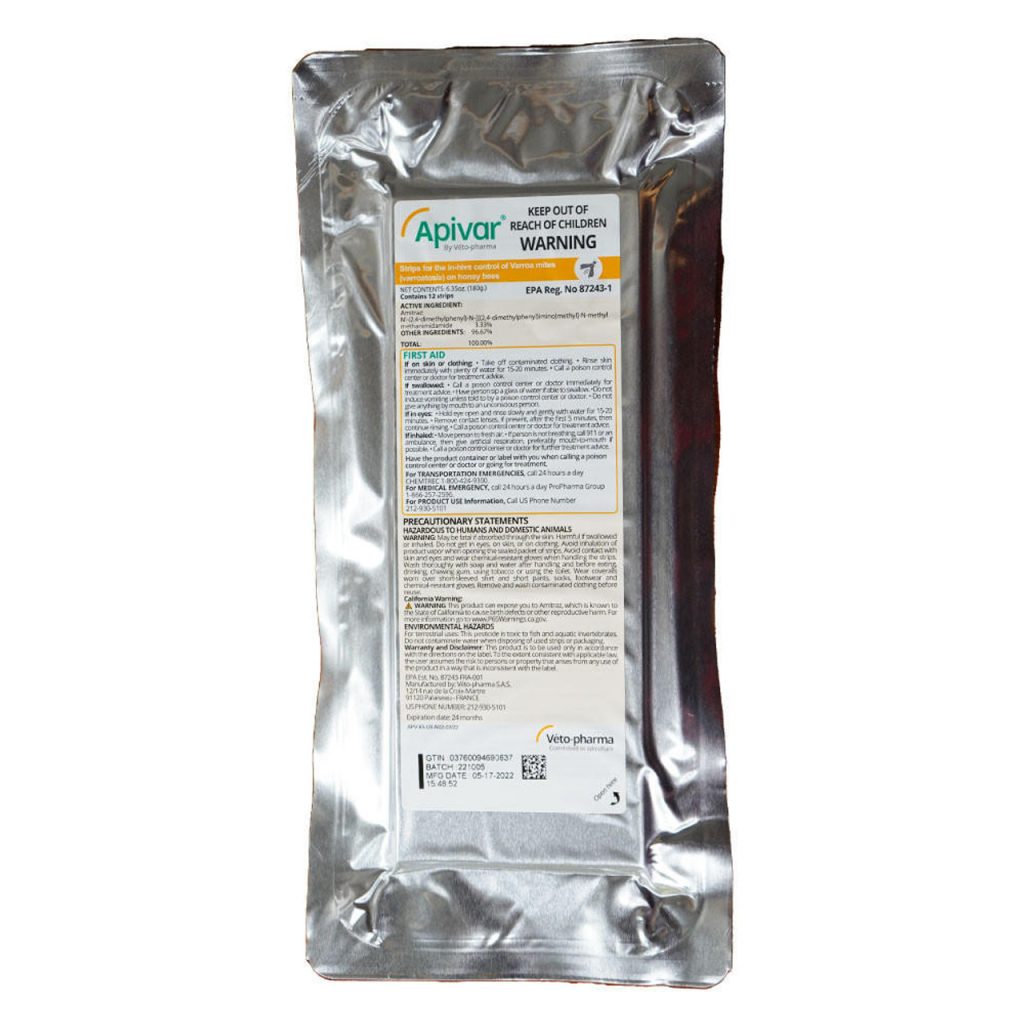
Apivar Strips 12 Pack
Kills 99% mites, long-lasting defense, six-week protection. No residue left. Proven Varroa control. Easy to use and safe for bees. Safeguard your bees!www.mannlakeltd.com
- Apistan- Fluvalinate is the active ingredient and it is a pyrethroid (man made pesticide mirrored from chrysanthemum compounds) & general mite resistance/ineffective. These are strips and the use is 1 strip per 5 frames. These were originally developed in the 1980s and were the pre-runner to Apivar. It fell out of favor in 2006, but some beekeepers are reverting back this year in a test to see the mites have a different response now. https://www.mannlakeltd.com/feeding-medications/apistan-anti-varroa-mite-strip-10-pack/?sku=DC665&gad_source=1&gad_campaignid=16763718909&gbraid=0AAAAAD_azT5M0R9ypxKyzKFpDW7IKf9lI&gclid=Cj0KCQjwzOvEBhDVARIsADHfJJS4riVvulxXe9-UkmjPu7HaA14y5xqtQFweV_htAIIvhbz6_tUK4p4aAnqnEALw_wcBApistan Anti-Varroa Mite Strip, 10 packBuy Apistan Anti-Varroa Mite Strip, 10 pack at Mann Lake. Best & Biggest Beekeeping Supplier – Best Service.www.mannlakeltd.com
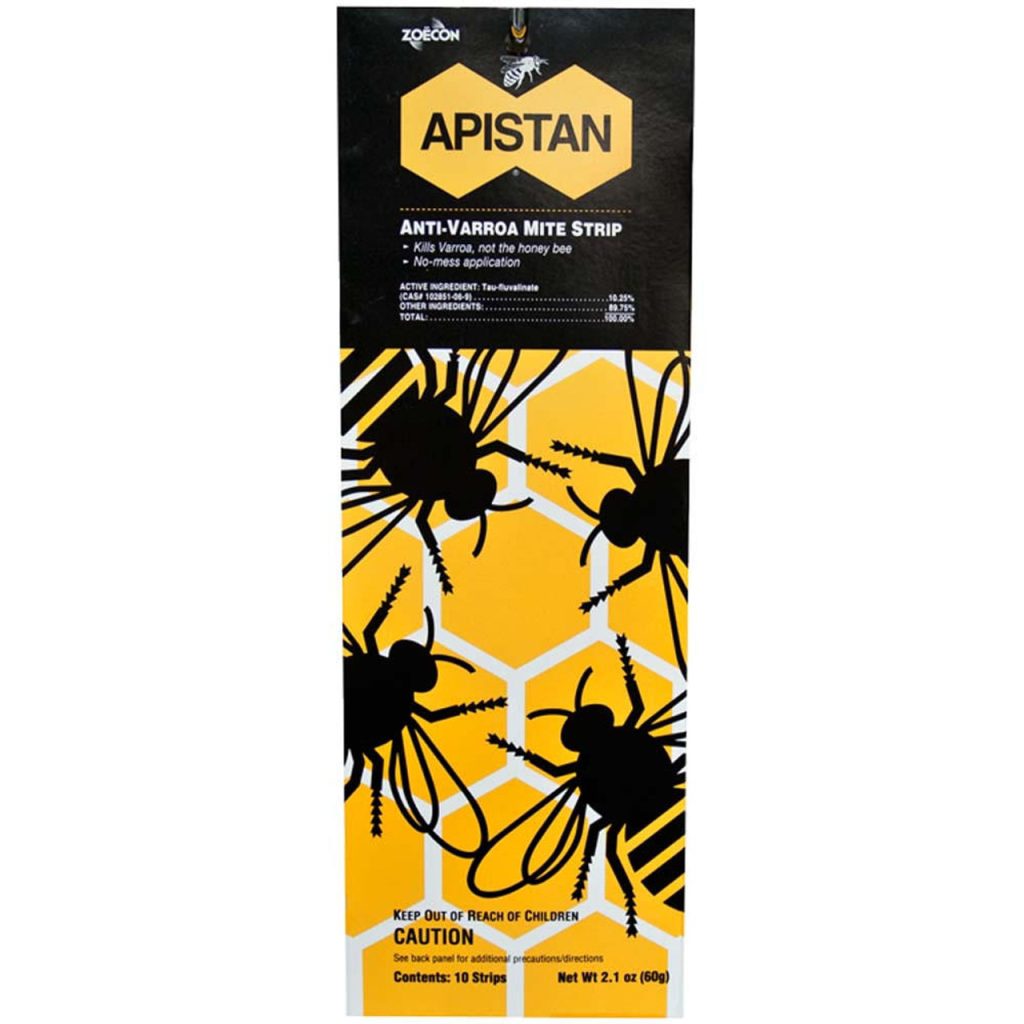
Apistan Anti-Varroa Mite Strip, 10 pack
Apistan is used for detecting and controlling Varroa Mites in bee colonies.
- Other Hard Chemicals- Other products may be available or were previously available, such as CheckMite+, which has now been been banned by the EPA due to long term environmental concerns and resistance development. There are also several products in research or being used against label directions such as Amiraz 20 EC, which is typically used to treat resistant mites and ticks on cattle/dogs/etc. livestock.
Please do not hesitate to reach out to me for clarification on any of these products or the resources cited below.
Resources:
These resources vary widely from scientific papers to anectodical blogs or news articles.
Methods to Control Varroa Mites: An Integrated Pest Management Approach
These ectoparasitic mites arrived in the U.S. in 1987 and spread throughout the world after they jumped from the Asian honey bee…
Amitraz Resistance in French Varroa Mite Populations—More Complex Than a Single-Nucleotide Polymorphism
Our study addresses the growing number of reports of Varroa mite resistance to amitraz, which is vital for beekeepers in managing this destructive pest. Recently, beekee-pers in France and the United States…
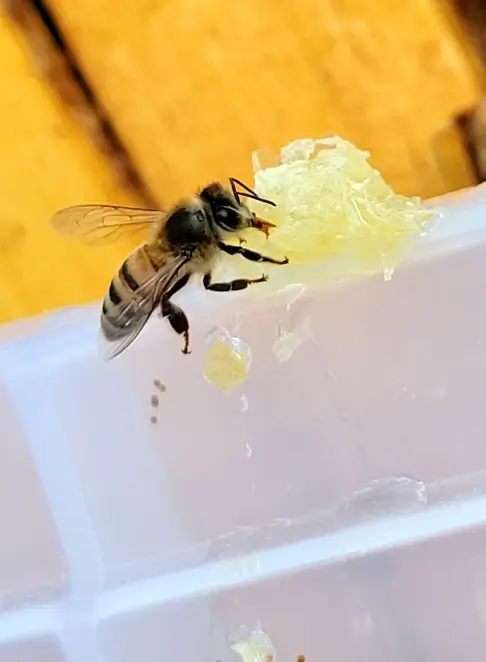
USDA Researchers Find Viruses from Miticide Resistant Parasitic Mites are Cause of Recent Honey Bee Colony Collapses
The USDA-ARS Bee Research Laboratory in Beltsville, MD, analyzed the parasites and pathogens from all samples and focused on individual bees exhibiting behavior known to precede death by minutes or hours…
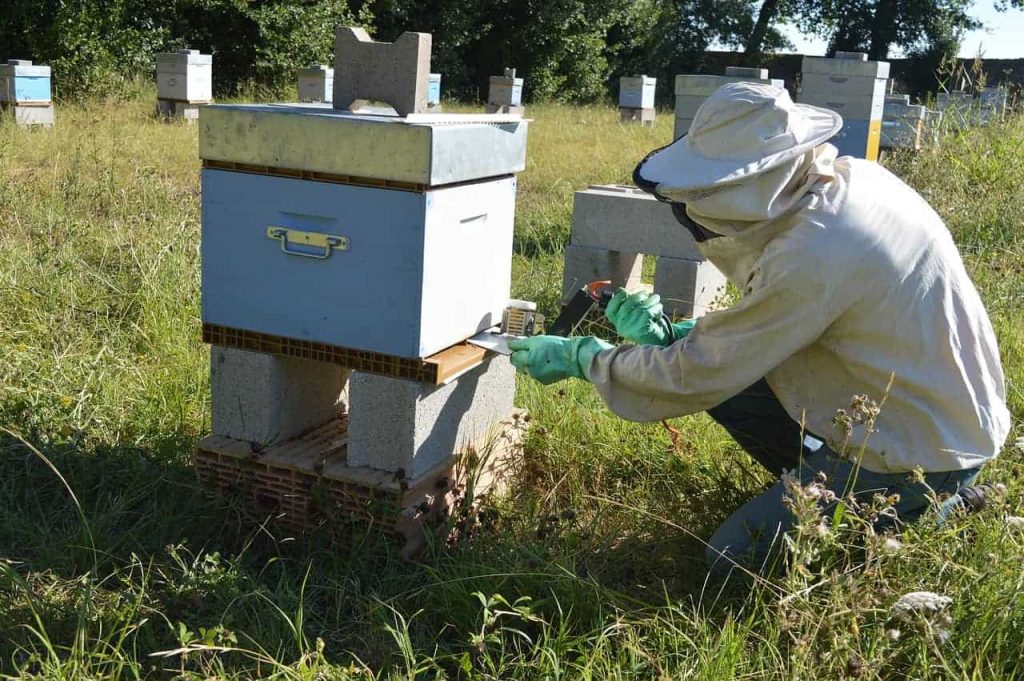
A Beekeepers Guide To Using Oxalic Acid
In recent years one of the more popular treatments for Varroa mites has been the application of oxalic acid. This article looks at this treatment in detail.
Thank you for partnering with Lake Granbury Honey,
Mandi Cagle,
Partner